








Manchester United rank bottom of the Premier League across four separate measures of high-intensity running after their difficult start to the season.
Physical-performance data from GeniusIQ, reported by Sky Sports and Reuters, places United 20th for distance covered at high intensity, time spent at high intensity, total sprints and time spent sprinting.
United also rank 17th for the proportion of time spent walking while out of possession.
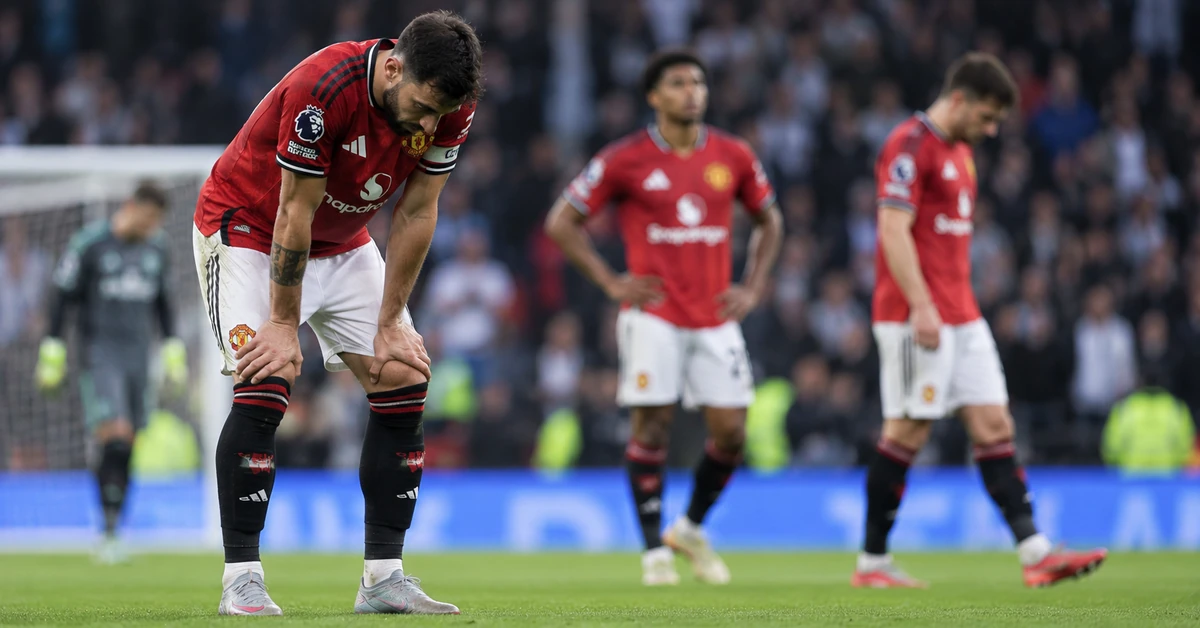
The figures provide further context for the criticism that followed United’s draw with Fulham.
Michael Carrick’s side covered 6.6 kilometres less than Fulham during the match at Craven Cottage.
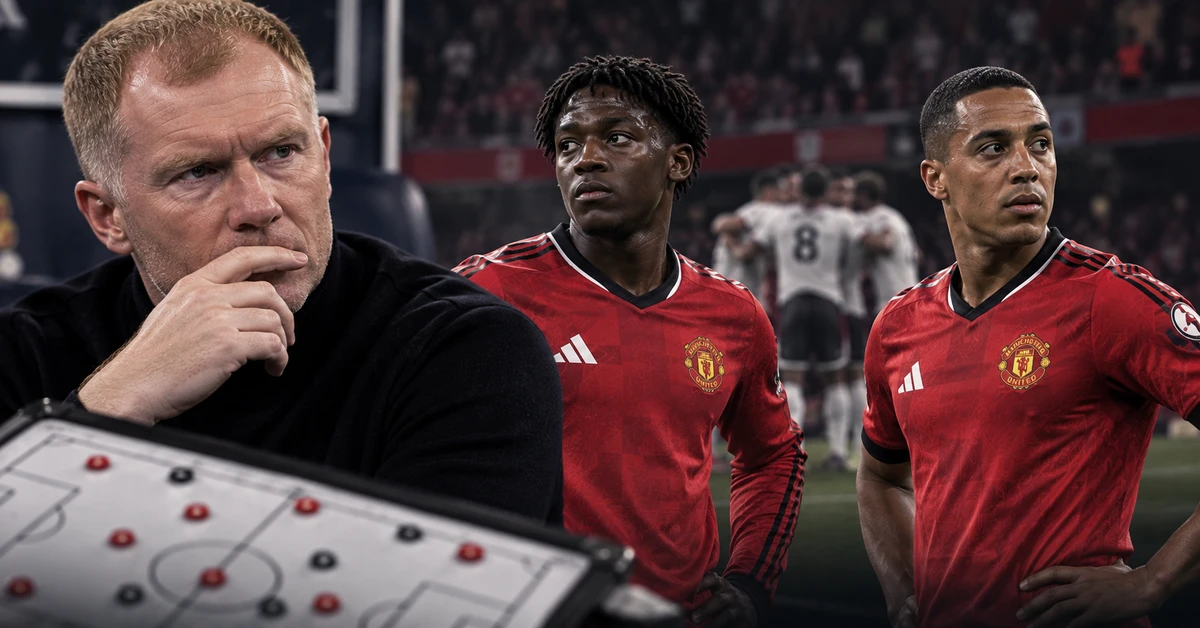
Gary Neville was particularly critical of United’s physical performance and argued that the team had become too easy for opponents to play against.
The wider numbers suggest the Fulham performance was not an isolated statistical anomaly.
United are at the bottom of the league across multiple measures designed to capture high-intensity physical output.
There is an important qualification.
Running farther does not automatically mean playing better football.
Manchester City are the only Premier League team United have outrun in total distance this season, despite City’s strong start to the campaign.
United also ranked poorly for overall running during Carrick’s successful spell last season, when they collected 39 points from 17 Premier League matches.
That makes raw distance covered a poor measure of performance when considered on its own.
The latest GeniusIQ figures are more difficult to explain purely through playing style because they measure several different aspects of high-intensity activity.
United are not simply covering less ground overall.
They are recording fewer sprints and spending less time operating at high intensity than every other Premier League team.
Neville believes Carrick should use the international break to address the problem tactically.
He has suggested moving to a three-man midfield and introducing Carlos Baleba as its defensive anchor.
Neville believes Baleba’s power and aggression could provide United with greater protection through the middle, potentially with Kobbie Mainoo and Bruno Fernandes operating ahead of him.
His concern is that United can effectively become a 4-2-4 when their attacking players do not recover quickly enough after possession is lost.
That leaves the midfield exposed and gives opponents space to play through United.
A three-man midfield would represent a significant adjustment for Carrick, but the international break gives him almost three weeks to consider changes before United face Tottenham on 10 October.
The running statistics do not prove that one formation will solve United’s problems.
Nor do they establish that effort alone explains the team’s poor start.
But being ranked 20th across four different high-intensity measures provides Carrick with a more specific problem to address than total distance covered alone.
The question during the international break is whether he attempts to solve it by demanding greater physical output, changing United’s structure, changing personnel, or combining all three.